title


background
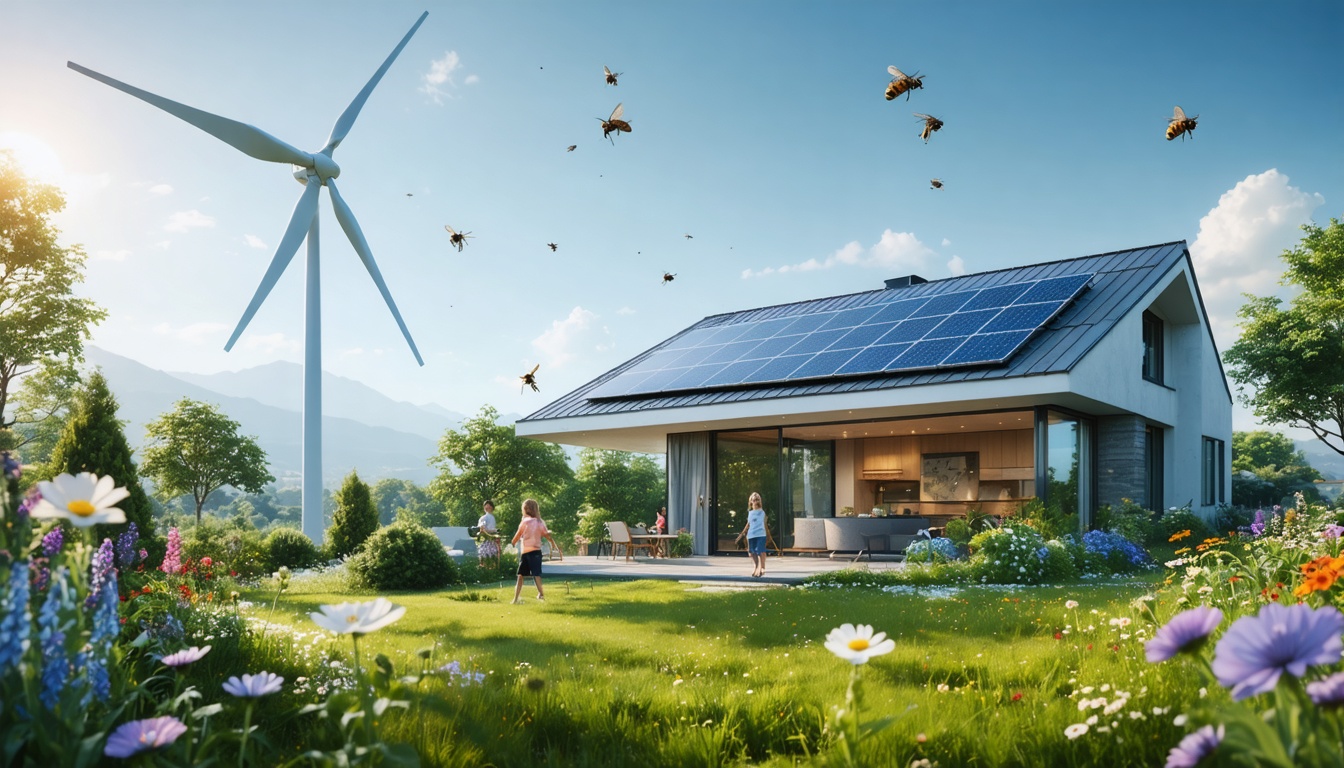
The Environmental Benefits of Choosing Renewable Energy at Home
Choosing renewable energy for your home has several environmental benefits that contribute to a more sustainable energy system. One major advantage is the reduction of greenhouse gas emissions. Traditional energy sources, such as fossil fuels, release significant amounts of carbon dioxide and other harmful pollutants into the atmosphere. In contrast, renewable energy sources, including solar, wind, and hydroelectric power, produce little to no emissions during their operation, thus helping to mitigate climate change. Additionally, using renewable energy helps to conserve critical natural resources. Fossil fuel extraction can lead to habitat destruction, water pollution, and resource depletion. By shifting to renewables, homeowners can reduce their reliance on finite resources, promoting a more sustainable use of the planet's materials. Moreover, selecting renewable energy supports healthier communities. Lower emissions contribute to improved air quality, which can lead to decreased respiratory problems and other health issues associated with pollution. Communities that embrace renewable energy can also realize economic benefits, such as job creation in the clean energy sector and potential savings on energy costs over time. In summary, transitioning to renewable energy provides multiple advantages, including a decrease in greenhouse gas emissions, conservation of resources, and enhanced community health. These factors play a crucial role in developing a more sustainable and secure energy future.
What Is Renewable Energy?
Renewable energy is defined as power produced from sources that are naturally replenished, including sunlight, wind, water flow, geothermal heat, and biomass. The transition to renewable energy from fossil fuels has notable environmental implications. A key benefit is the reduction of greenhouse gas emissions associated with electricity generation, which can lead to improved air quality and decreased air pollution levels.
The shift toward renewable energy sources is essential for mitigating the impacts of global warming and climate change. Renewable energy technologies typically result in significantly lower carbon dioxide emissions compared to fossil fuel power generation.
Furthermore, adopting renewable energy is associated with the conservation of natural resources and a reduction in reliance on imported fuels.
To promote the adoption of renewable energy technologies, various financial incentives, such as tax credits, are available. These incentives aim to reduce costs for consumers and promote economic growth and job creation within the renewable energy sector.
Transitioning to renewable energy can provide a viable solution to environmental challenges while supporting sustainable development.
Key Types of Renewable Energy Sources
A range of energy sources can power residential properties while aiming to reduce environmental impact. Significant renewable options include solar, wind, hydroelectric power, biomass, and geothermal energy.
Solar energy utilizes photovoltaic cells to convert sunlight into electricity. This method facilitates sustainable energy generation with no direct carbon emissions, providing an alternative to fossil fuels.
Wind energy, generated through turbines, also contributes to electricity production without direct emissions.
Hydroelectric power produces electricity by harnessing the energy of flowing water, which currently represents a substantial portion of global electricity generation.
Biomass energy is derived from organic materials, such as agricultural waste, and utilizes resources that might otherwise be disposed of.
Geothermal energy captures heat from the Earth’s core, offering a stable energy supply in areas where geological conditions are favorable.
These renewable energy sources generally lead to lower energy costs and contribute to job creation in emerging sectors.
They also offer various environmental advantages, including the reduction of air and water pollution when compared to conventional fossil fuel sources.
Before selecting a renewable energy option, it is essential to assess the associated advantages and disadvantages, potential financial incentives, and market viability.
This comprehensive evaluation supports informed decision-making that aligns with both individual needs and broader community energy requirements.
Impact on Greenhouse Gas Emissions
The choices made by individuals regarding energy consumption can significantly influence greenhouse gas emissions. Transitioning to renewable energy sources, such as solar and wind, has the potential to reduce the emission of carbon dioxide and other greenhouse gases. Unlike traditional fossil fuel power plants, which are major contributors to global emissions, renewable electricity generation does not produce direct emissions during operation.
The adoption of renewable energy can assist the United States in limiting the growth of carbon emissions, which is critical for mitigating climate change impacts. In addition to environmental benefits, there are financial incentives available, such as tax credits and lower maintenance costs associated with renewable energy systems. These factors may contribute to long-term savings for homeowners.
Overall, the transition from fossil fuels to renewable energy represents a measurable strategy for addressing the environmental issues linked to greenhouse gas emissions.
Improvements in Air and Water Quality
The use of clean energy sources, such as solar and wind, in residential applications has been associated with improvements in local air and water quality. The generation of renewable electricity produces no emissions of carbon dioxide and other greenhouse gases, which are typically a byproduct of fossil fuel power generation. By reducing these emissions, renewable energy can contribute to lower levels of air pollution, which has implications for public health in the community.
Moreover, the adoption of cleaner energy sources can reduce the introduction of pollutants into water bodies. Activities related to fossil fuel extraction and production are linked to water contamination. In contrast, renewable energy technologies, including wind turbines and hydroelectric plants, typically have a reduced impact on water quality compared to traditional fossil fuel methods.
In addition to environmental considerations, transitioning to renewable energy can provide economic benefits. Various financial incentives, such as tax credits and rebates, can facilitate this transition for homeowners, making it a more feasible option.
Encouraging the growth of the renewable energy sector can thus yield both environmental improvements and public health benefits. Evidence indicates that the move towards cleaner energy sources is a meaningful step in addressing the interconnected challenges of air and water quality.
Contribution to Resource Conservation
Selecting clean energy options for residential use, such as those offered by Home Energy Systems in Connecticut, contributes to the conservation of natural resources. Renewable energy sources, such as solar and wind, generate electricity independently of fossil fuels and have lower water usage compared to conventional energy sources. This leads to a reduction in carbon dioxide emissions and greenhouse gases, which are known contributors to climate change.
Transitioning to sustainable energy sources offers several environmental benefits. The renewable energy sector generally requires less maintenance and occupies less land than traditional power plants.
Additionally, this transition can improve air and water quality by decreasing pollution linked to fossil fuel extraction and utilization.
Individuals assessing alternative energy sources should consider both the environmental advantages and potential challenges, promoting a more sustainable future. This strategy not only addresses current energy needs but also contributes to long-term ecological preservation and resource management.
Economic Advantages for Homeowners
Investing in renewable energy technologies for residential use can yield significant financial benefits, in addition to their environmental impacts. The installation of solar panels, wind turbines, or hydroelectric systems has been shown to reduce electricity costs, with some homeowners experiencing savings of 50% or more over time.
Various governmental entities in the United States and other countries provide tax credits and financial incentives aimed at offsetting the initial capital costs of such installations.
Moreover, renewable energy systems tend to require less maintenance than traditional fossil fuel power plants, potentially leading to lower long-term operational expenses.
The expansion of the renewable energy sector also has positive implications for the job market, as new roles are created to support these emerging technologies.
By choosing renewable energy options, homeowners can enhance their financial stability while participating in broader initiatives aimed at decreasing carbon emissions and promoting sustainable economic growth.
Health Benefits Associated with Renewable Energy
Homeowners often prioritize the financial advantages of clean energy; however, it is important to recognize the health benefits linked to the adoption of renewable power sources. Utilizing energy options such as solar, wind, and hydroelectric can lead to lower levels of air and water pollution, reduced greenhouse gas emissions, and less dependency on fossil fuels.
Improved air quality as a result of adopting renewable energy can lead to a decrease in respiratory health issues among the population and contributes to climate change mitigation efforts. Additionally, considerations of maintenance costs related to renewable energy systems may also be relevant for homeowners assessing long-term budgets.
The growth of the renewable energy sector further supports job creation within the United States, thereby promoting economic stability.
The global shift towards renewable energy not only aims to improve environmental conditions but also aims to enhance public health by reducing pollution and improving air quality. Recognizing these benefits is essential for making well-informed energy-related decisions.
Conclusion
Choosing renewable energy for home use can positively influence environmental outcomes and individual well-being. The adoption of renewable energy sources, such as solar or wind, can lead to a reduction in greenhouse gas emissions, which are primarily responsible for climate change. By minimizing reliance on fossil fuels, homeowners contribute to the preservation of natural resources and the enhancement of air and water quality, as renewable energy typically results in lower pollutant emissions compared to conventional energy sources. In addition to environmental benefits, transitioning to renewable energy can yield economic advantages, including potential savings on utility bills and incentives offered by governments or energy providers. Furthermore, there is evidence to suggest that cleaner energy sources can lead to improved public health outcomes by reducing respiratory and cardiovascular conditions associated with air pollution. Moreover, the shift towards renewable energy contributes to energy security by diversifying the energy supply and reducing dependency on imported fuels. This shift can also help to promote the growth of sustainable communities, as it fosters job creation in the renewable energy sector and supports local economies. In summary, the decision to utilize renewable energy in the home has significant implications for the environment and public health, while also presenting economic opportunities. The benefits of such a transition are supported by a combination of empirical research and practical considerations regarding energy use and sustainability.